When it comes to onboarding, one size most definitely does not fit all. Everyone moving into a new role should converge into the organization before trying to evolve it. This involves assimilating into the business and the culture. (Yes, those are different.) It’s not an either-or choice. Everyone needs to do both. The difference is that senior leaders should focus more on culture first than on the business while mid-level managers should do the opposite.
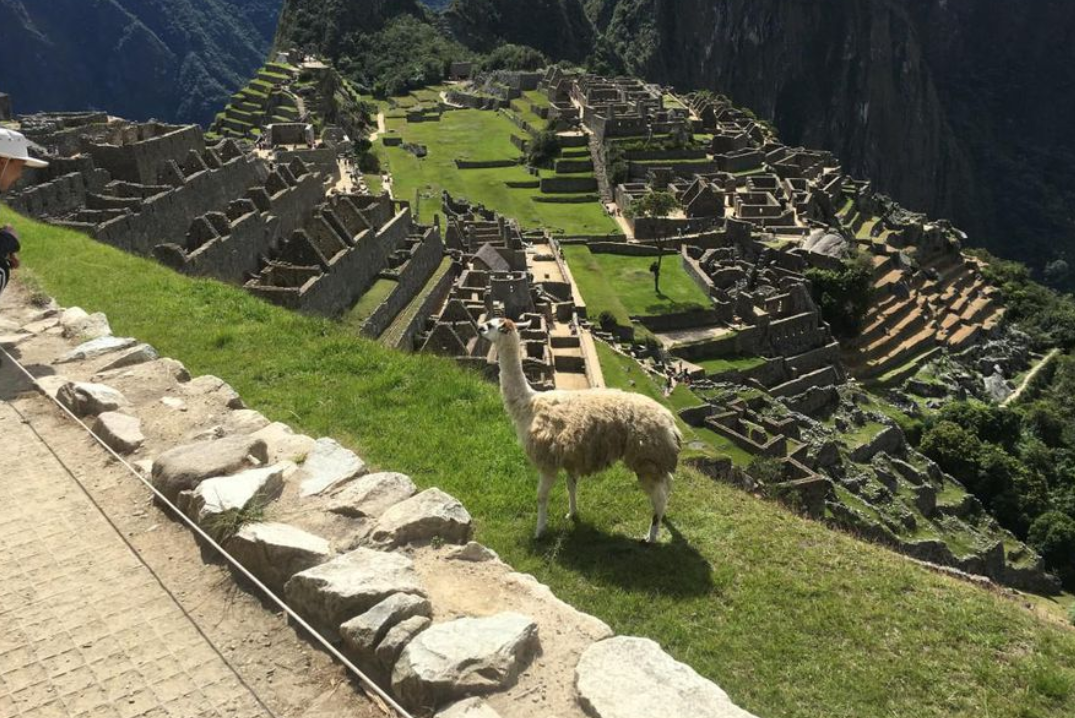
People going to visit Machu Picchu in Peru generally route through the ancient Inca capital, Cusco. Order matters. Cusco sits about 11,000 feet above sea level. Machu Picchu altitude is about 8,000 feet. Some find it better to go to Machu Picchu first to adjust to the altitude and then circle back to Cusco. Others find it better to go to Cusco first to understand the Inca heritage so they can appreciate Machu Picchu better when they get there.
The question is whether it is better to tend to your physical needs or intellectual needs first. It’s a stark trade-off so you must make a choice.
When asked whether she thought it was more important for new leaders to adjust to the business or the culture first, Cornerstone International Group’s Alejandra Aranda of Chile first said “both.” But then she paused and suggested it depended on level.
Those coming in at middle levels should dig into understanding the business while learning about the culture. But those at the organization’s highest levels must focus on culture first. What matters is not so much what they do, but how they lead.
Aranda is what the group’s chairman, Simon Wan describes as NICE (Networked, International, Credible, Engaged). She is an executive search consultant who leverages her experience and knowledge to go well beyond merely sourcing potential candidates to search for, assess and select culturally and business appropriate executives at the most senior levels. She gets the difference between business and cultural integration.
The Most Senior Leaders Should
Converge into the culture before trying to evolve it. As part of your executive onboarding, get a head start on your culture assimilation. Manage the message with an emphasis on culture. Set direction for the evolving culture and business and build the team to do both. Sustain momentum and deliver cultural and business results.
Mid-level Managers Should
Converge into the team before evolving. Get a head start on understanding the business context, how people work together to drive results. Manage the message with an emphasis on business improvements. Set direction for the business and build the team. Sustain momentum and deliver business results as a priority. For you, the best way to fix morale and improve the culture is to improve business results.
Front Line Supervisors Should
Converge into existing business processes before evolving anything. Learn the rules before you break them. Get a head start on relationships and ways of working. Manage the message with an emphasis on sustaining and improving the business. Set direction for the business in the context of what more senior leaders are driving and build the team. Sustain momentum and deliver business results. Let others worry about sweeping cultural changes.
For Front Line Employees
The basics always apply. When onboarding people that will work for you, focus on aligning, acquiring, accommodating, assimilating and then accelerating. Align all around the job the new employee should do. Acquire the new employee in a way that sets up mutual success. Accommodate their needs so they can do real work on day one. Assimilate them into the culture and the business. Then give them ongoing support to accelerate progress and results.
Conclusion
Both cultural and business integration are essential. While all must do both, leaders at different levels should vary the emphasis. The closer to the front line a leader is, the higher the relative importance of converging into and then evolving the business. The closer to the CEO a leader is, the higher the relative importance of converging into and then evolving the culture.