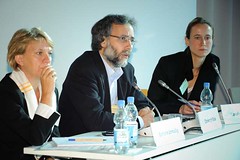
Robert Rigby-Hall and Glenn Kaufman are not onboarding into new leadership roles. They are creating them as they start up the HR LeaderCamp, a leadership program for high-potential Human Resource talent.
On the one hand, both Robert and Glenn are seasoned business executives who have led organizations in the past. On the other hand, this is their first start up, so they are paying particular attention to following the three imperatives for starting a successful service business, including:
- Be Different
- Be Strong
- Be Committed
Be Different
Robert and Glenn think they have a differentiated idea. They expect to run three-day camps for high-potential HR leaders to sharpen their leadership skills. This will be achieved with the help of seasoned, industry-recognized Human Resource executives, along with guest speakers who are creating trends adopted by global corporations.
As Glenn explained to me, “HR are the shoemaker’s kids. We are always creating programs to develop the company’s leaders, but not ourselves. We started HR LeaderCamp to address this gap in a pragmatic, non-academic way.”
The critical question is whether or not this is really different from the other training opportunities available. If it is, they’ll have a chance at success. If it’s not, they’ll end up competing on price – not a good way to make money over any period of time in a service business.
Be Strong
One of the concepts they are sure to teach their campers is that teams always beat individuals. Robert and Glenn are starting this together. As a team of two, they are already ahead of any individual. But they realize they will need to supplement their expertise with other cutting-edge HR experts to deliver the kind of high-value programs they envision.
Also, they are connecting with other experts to help with their start-up, an “extended family” that are providing insight into marketing, social media and logistics. If, as Drucker suggests, “The purpose of business is to create and keep a customer,” Robert and Glenn can create the innovative programs that will keep customers, but will need help finding them.
They recognize this. Robert’s perspective is that “By focusing on a narrow niche – practical business skills for HR taught by seasoned leaders – we’re using all our friends, business networks and reputation. It’s gratifying to see so many people believe in us and want to be a part of it.”
Be Committed
As anyone that’s ever done it will tell you, starting up a service business is hard work. Don’t even start if you’re not committed to business development, client satisfaction and continual improvement. You won’t be successful.
Business Development
It’s not enough to do great work. You have to convince others to pay you for doing it. Do not underestimate how difficult and time-consuming this is going to be over time. If you don’t love selling and aren’t good at it, consider a different route.
Glenn gets this: “We are trying to position our services as part of the HR value chain. If HR talent is thinking like the business clients that they serve, then everybody gains. HR LeaderCamp is all about getting HR close to their internal customers, the business leaders. This is why we’re getting daily feedback from CHRO’s and potential customers to understand and incorporate their needs into HR LeaderCamp’s design.”
Client Satisfaction
Very quickly, the best source of new business will be from existing clients. As Tony Hseigh’s Zappos exemplifies, over-delivering at every step is the single best way to build advocates and fans. Make sure you’re over-delivering on the most important components of your strategy, which is to the centerpiece of how you are different from your competitors.
Robert is passionate about this: “We both have very aligned values and care about going that extra mile for our customers, so we’ll be measuring satisfaction and we’ll refine the program so we’re always exceeding expectations!”
Continual Improvement
If you’re not evolving, you’re stagnating. And if you’re stagnating, someone else is going to catch up and pass you by. So ceaselessly improve your strategic focus, tactical capacity and executional excellence. This is why Robert and Glenn have already started working on their next levels of service and new programs that complement the niche they are developing.
This is a good example of step 1 of The New Leader’s Playbook: Position Yourself for Success
There are several components of this including positioning yourself for a leadership role, selling before you buy, mapping and avoiding the most common land mines, uncovering hidden risks in the organization, role, and fit, and choosing the right approach for your transition type.
Click here to read about each step in the playbook
Click here for YouTube videos highlighting each step
And, if you’re starting up a service business, click here to get a free marketing plan and free marketing tips from MarketMyBz.com
————————————————————-
The New Leader’s Playbook includes the 10 steps that executive onboarding group PrimeGenesis uses to help new leaders and their teams get done in 100-days what would normally take six to twelve months. George Bradt is PrimeGenesis’ managing director, and co-author of The New Leader’s 100-Day Action Plan (Wiley, 2009). Follow him at @georgebradt or on YouTube.