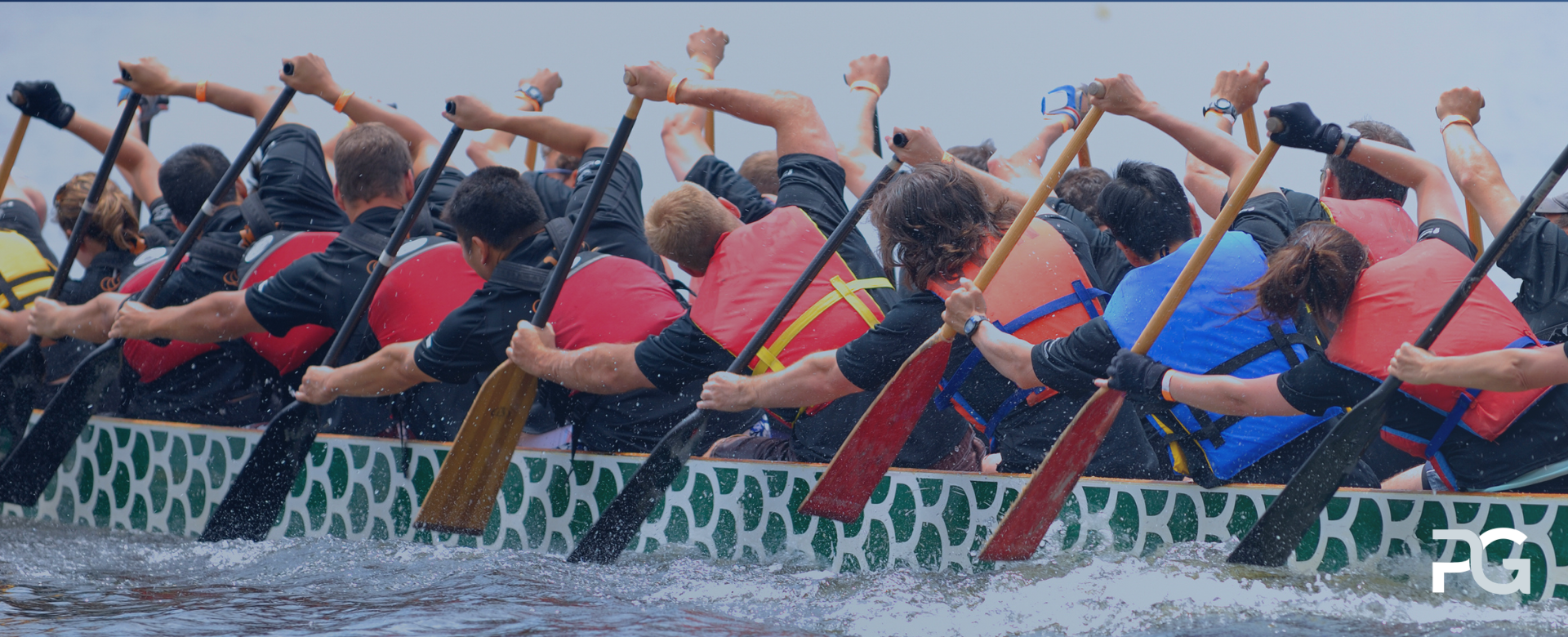
The secret sauce in tactical capacity is proactivity as a team because it is not about a few heroic individuals taking initiative; it is about a team that reliably sees around corners together and acts in sync under pressure. A proactive team aligns around shared intent, shares information broadly, and coordinates actions so that “we act ahead together.”
Tactical capacity starts with the team
Tactical capacity is the bridge between strategy and execution: a team’s ability to work under difficult, changing conditions and translate strategies into decisive, effective action. It shows up in how people coordinate hand-offs, adjust plans in real time, and deliver early wins that build confidence and momentum.
In practice, tactical capacity rests on a few building blocks that recur in high-performing teams: a burning imperative that makes the “why” non‑negotiable, a milestone management cadence that keeps learning continuous, early wins that prove the path, role sort that leverages strengths, and communication that keeps everyone aligned. Those building blocks come to life only when the team as a whole is proactive – anticipating, not just reacting – at the tactical level.
Proactive individuals versus proactive teams
A proactive individual anticipates, initiates, and drives change personally, often going beyond their job description to prevent problems or seize opportunities. That can be enormously valuable, but it is still “me acting ahead,” and it can even create friction if others are surprised or unprepared.
A proactive team, by contrast, aligns around shared intent, shares information broadly, and coordinates actions so that “we act ahead together” to deliver short-term results and put in place the building blocks of long-term success. People still take initiative, but they do it in ways that fit the team’s burning imperative, roles, and operating cadence, turning isolated effort into collective tactical capacity. In other words, tactical capacity depends less on a few proactive stars and more on a system that makes proactivity the norm for everyone on the team.
Team of Teams: shared consciousness and empowered action
General Stanley McChrystal’s transformation of the Joint Special Operations Command is one of the clearest demonstrations of proactive tactical capacity at scale. He took a traditionally hierarchical, siloed organization and turned it into a “team of teams” with shared consciousness and empowered execution at the edge.
The daily Operations and Intelligence meeting – a 90‑minute, globally distributed forum – became the heartbeat of that tactical capacity. Leaders did not just brief status; they shared context, intent, and learning so logisticians, analysts, and operators could anticipate needs and move faster together. As intelligence moved from being hoarded to being shared, raids scaled from occasional to multiple per night because teams across the network were proactively adjusting in real time, not waiting for orders. That is proactive team behavior institutionalized: everyone seeing the same picture, everyone responsible for acting on it.
Psychological safety: the precondition for proactive teams
Amy Edmondson’s work on psychological safety explains why some teams become proactively tactical while others stay cautiously reactive. Psychological safety is the shared belief that it is safe to speak up with ideas, questions, concerns, and mistakes without fear of humiliation or punishment.
In high‑stakes, fast‑moving environments – from hospital emergency rooms to ad hoc project teams – Edmondson has shown that the best teams often report more errors, not fewer, because they surface issues early and learn from them. In ER “pods” that structured interdisciplinary teams and created space for open communication, clinicians coordinated faster, improved accountability, and reduced delays because people could proactively raise concerns and adapt on the fly. Psychological safety turns proactivity from a personal risk into a shared responsibility, making tactical capacity sustainable.
Bringing it together: your teams in real life
Across executive onboarding and transformation work, the same pattern shows up again and again. New leaders who co‑create a burning imperative with their teams, clarify roles, manage milestones visibly, and encourage open challenge build tactical capacity far faster than those who rely on top‑down direction. Their teams not only execute the plan; they improve it proactively as conditions change.
Consider a deal team inside a merger integration. When leaders treat tactical capacity as a shared asset – aligning integration imperatives, setting explicit hand‑offs, and running regular “O&I‑like” checkpoints – cross‑functional teams spot interdependency risks early and adjust proactively together. When they do not, even very proactive individuals end up firefighting alone, reworking decisions, and repairing trust after avoidable misses.
The same holds in more mundane settings. In one automotive data business, tactical capacity showed up in how analysts, sales, and product teams coordinated around launch milestones and client deliverables. Where there was a clear burning imperative, role clarity, and open channels for raising “what if?” risks – McChrystal‑style premortems before big client moves – the team stayed ahead of problems and turned volatility into opportunity. Where those elements were absent, even talented, proactive individuals could not overcome structural drag.
The implication is straightforward. Tactical leadership is the most important leadership arena because it is where strategies either die in PowerPoint or turn into results. The essence of tactical capacity is not faster reaction; it is building teams that are collectively, habitually proactive – teams that know the imperative, share the picture, feel safe to speak up, and are trusted to act. When you get that right, you do not just have a few proactive people; you have a proactive team. And that changes everything.