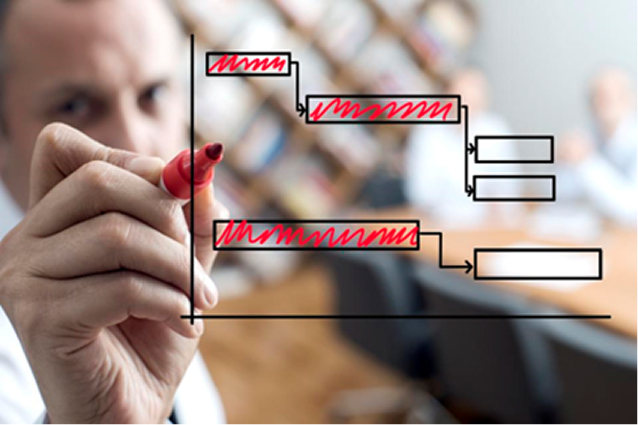
Milestone management helps build a high-performing team by providing a systemic engine for learning and adapting. Instead of meeting just to update each other on progress, flip the classroom, putting the updates in a shared file that all can access all the time and using the meetings to lay out and discuss wins, learning, and how to help each other – adapting as a team. This requires psychological safety to build trust so team members can take interpersonal risks without fear of negative consequences.
Milestone management is one of the building blocks of Tactical Capacity that together accelerate executive onboarding and the development of high-performing teams. Each building block has a key component. It’s important to put all the building blocks in place and even more important to focus on the key components:
- Burning Imperative: Co-created shared purpose
- Milestone Management: Systemic approach to learning and adapting
- Early Wins: Disciplined delegation
- Role Sort: Leveraging complementary strengths
- Communication: Two ways all the time
Milestones lay out what is being done, by when (completion date,) by whom (accountable). The key is managing them in a way that becomes a systemic engine for learning and adapting. Two parts of this flow from thinking by Amy Edmondson and Stan McChrystal.
Psychological Safety
Edmonson’s work on psychological safety is foundational to this. She defines psychological safety the shared belief among team members that it is safe to take interpersonal risks without fear of negative consequences. This includes:
The ability to speak up with ideas, questions, concerns, or mistakes without fear of punishment or humiliation
A climate of interpersonal trust and mutual respect where people feel comfortable being themselves
The confidence that candor and vulnerability are welcome in the workplace
Shared Consciousness
As he explained to me, Stan McChrystal’s Team of Teams framework has four main components: common purpose, trust, shared consciousness, empowered execution.
Foundational
1 COMMON PURPOSE: All working towards the same overall outcome. Goal alignment, emotional connection/shared ownership, integrating guidance
Goal alignment: established alignment at the team level
Emotional connection: Connection to the mission and culture of the organization
2 TRUST: Belief in others’ best intentions and capability to do what they promise. Supportive environment (psychologically safe), operational connectivity
Supportive Environment: Established culture of care and mutual support across the organization
Operational Objectivity: How fair employees perceive organizational processes to be
Force Multiplier
3 SHARED CONSCIOUSNESS: Contextual, situational and peripheral awareness and understanding, Radically transparent information sharing, seamless collaboration x blinks with representatives.
Information Sharing: Information is appropriately shared and accessible
Collaboration: The degree to which everyone is working together towards shared success
Situational Awareness: Shared understanding of the operating environment
Delivery
4 EMPOWERED EXECUTION: Decisions made at point of action so people with “Finger-tip feel for what’s occurring” have the confidence to make those decisions and then inform everyone else.
Empowerment: The belief that one has the autonomy and ability to execute
Shared Ownership: Extent to which a person feels they own organizational problems and success
Guidance: Clear understanding of the guardrails around one’s role
Milestone Management as the systemic engine for learning and adapting
Don’t read this wrong. The basics matter. Milestones lay out what is being done, by when (completion date,) by whom (accountable). Have people track them and lay out their wins, learning, and needs for help in a shared file:

Groups tend to start by claiming everything is green/on-track, flipping things to red/will miss when they have to. One sign of a developing team is the psychological safety to flag more things as yellow/at risk wo others can weigh in. This is a good thing.
The objective is for milestone update meetings or whatever you call them is to become the systemic engine for learning and adapting. When this happens, team members are much more interested in learning from each other’s wins and learnings so they can adapt to ever-changing conditions. This is when you get to Stan McChrystal’s shared consciousness – not so you manage tactics but to empower others to manage tactics: empowered execution.
McChrystal did this with his “operating and intelligence forum.” When he took over the joint armed forces command there were 50 people in this daily meeting. When he left, 7500 people dialed in with all sorts of chat rooms going on behind the scenes – the ultimate in shared consciousness.