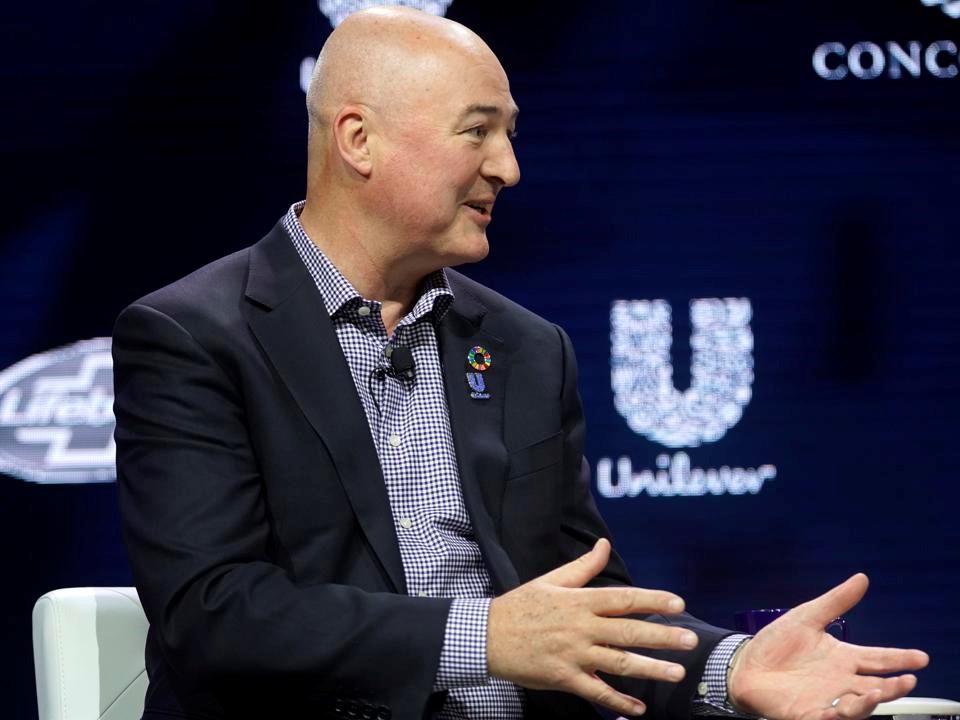
CEOs leave for all sorts of reasons. Laxman Narasimhan is leaving Reckitt to become CEO of Starbucks. John Mackey is leaving Whole Foods to start a plant-based foods venture. Alan Jope is leaving Unilever “after a bungled attempt to buy GSK’s consumer healthcare.” In any case, the three essentials of communicating are 1) plan in advance, 2) manage the message to answer everyone’s first question (“What does this mean for me?) and 3) follow-through in a deliberate and disciplined way. This plays out differently depending upon whom you’re communicating with.
Shareholders want to know what the CEO’s leaving means for the value of their shares. They’re going to be scared. Calm them down by letting them know: You prepared for this possibility. The company is safe. The company’s future is bright.
Employees want to know what the CEO’s leaving means for their own jobs. They’re going to cycle back through all the stages in Maslow’s hierarchy unable to think about higher level things until they are confident their physiological and safety needs are met. Help them understand: You prepared for this possibility. Their jobs are safe. The company’s future is bright.
Suppliers, Customers and Allies want to know what the CEO’s leaving means for their own enterprises. They have options for with whom they engage and can find other customers, suppliers or allies. Help them believe: You prepared for this possibility. Their enterprises will not be hurt. The future of your relationships is bright.
Future Employers will want to understand the circumstances of the CEO’s leaving. Where people like Narasimhan and Mackey will have an easy time explaining the pull of new opportunities, people like Jope will have to explain why they were pushed out – no matter what the public story was. This creates a conflict in some situations.
Thus, some of the essentials always apply and some need modification:
Prepare in advance
No one should ever be completely surprised by a CEO’s leaving. CEOs leave. Sometimes it is planned. Sometimes it is not. If you’re the board, shame on you if you don’t have succession and contingency plans in place.
Succession plans are for normal, planned evolutions. These allow you to build on your people’s innate talent with learned knowledge, practiced skills, hard-won experience, and apprenticed craft-level caring and sensibilities over time.
Contingency plans are in place for sudden changes. This is about knowing what you’d do if your CEO suddenly got lured away by Starbucks or the like.
If you’re the CEO, you almost never want to get forced out. In your case, preparing in advance means knowing when the board needs to make a change almost before they know. It also means having enough confidence in yourself to act on that knowledge and help the board plan the transition to meet everyone’s needs.
Manage the message
There are two parts to this. Part I is crafting a message that makes people believe you are prepared, they’re safe, and the future is bright. Part II is delivering it so it’s best received. This inevitably involves some sort of announcement cascade so those:
- Emotionally impacted hear one-on-one so they can vent their emotions in private.
- Directly impacted hear in small groups so they can have their questions answered.
- Others hear after the first two so there are no leaks.
The obvious issue is who controls the dialogue and who tells whom as the board and CEO will both want to be the ones telling people who made the decision and how those people should feel about the future of the organization without the CEO around. This is why a big part of planning in advance is working through the announcement cascade together.
Follow-through
If the announcement is a surprise, people will be in shock and won’t be able to absorb what you tell them. Even if it’s not, no one will believe what you say. They will believe what you do. This is why your follow-through needs to be deliberate and disciplined. Circle back with those that were surprisingly emotionally impacted to allay their fears. Revisit the conversations with those directly impacted to answer their follow-on questions. Deliver what you said you were going to deliver.
Click here for a list of my Forbes articles (of which this is #790) and a summary of my book on executive onboarding: The New Leader’s 100-Day Action Plan.
Follow me on Twitter