Let’s mash up three ideas: 1) The world needs more other-focused leaders, 2) Happiness is good, or more precisely, three goods: doing good for others, doing things you are good at, and doing good for yourself. 3) Great leaders bring out others’ self confidence. “They can because they think they can.” – Virgil
Taking all those together inevitably leads to the conclusion that other-focused leaders focus their efforts on influencing others and motivate them in new and interesting ways that brings out their self-confidence. This is extraordinarily important at this moment in time. The unintended consequences of treating current events as zero-sum competitive games are going to hurt us all – unless we change.
Other-Focused Leadership
Anyone that didn’t feel the stress of the past two years must have been living on a different planet from the rest of us. All of us should feel terrible about each other’s losses, what’s going on in Ukraine, the pressure on the global eco-system and supply chain, and hope we can round the corner soon.
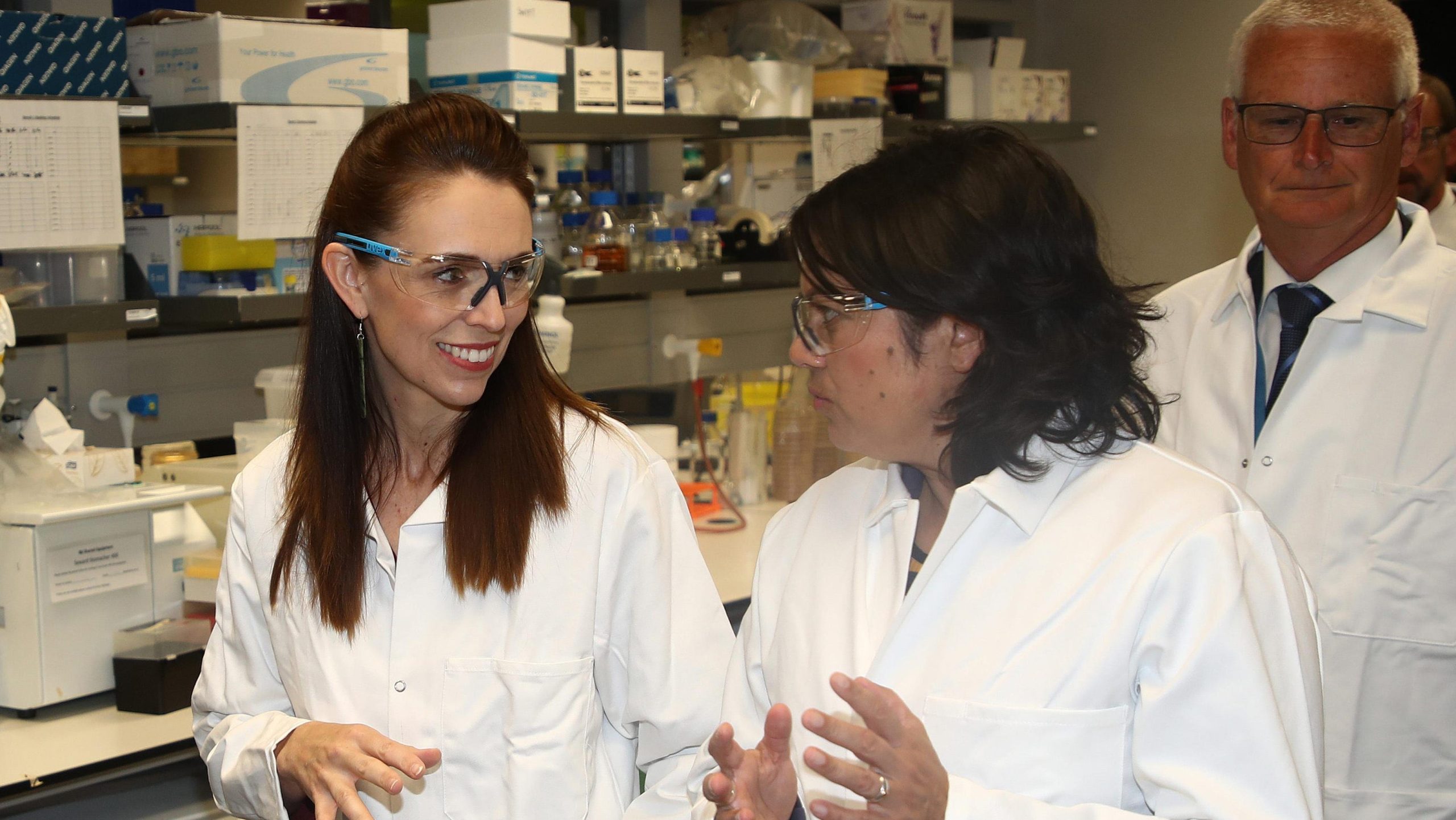
One of the lessons has to be the upside of looking out for each other. Jacinda Ardern didn’t shut down New Zealand because she thought it was good for her. She did it because she thought it was good for the others she was caring for. On the other hand, countries that tried to minimize economic disruption over the short term ended up creating extended pain for more people.
Choices
There’s a lot happening in the world beyond our control. Even within that, we do get to make choices. The first is where we play, where we spend our time. If we spend our time inwardly focused, our influence and impact is limited. Focusing on others has the opposite impact.
A prerequisite for that is putting yourself in their shoes and understanding their context, how the problems of the world are impacting them and what they most care about.
At the same time, don’t try to be them. Be you. Understand your own strengths and gaps. If you’re more of an artistic, scientific or interpersonal leader, make sure you’re collaborating with others with different strengths.
Then go beyond collaboration to inspire, enable and empower them, giving them the direction, resources and bounded authority they need to step up and take accountability. This way you’ll get done what you all agree to get done with an interdependent group getting things done with different perspectives in different ways.
Ultimately, other-focused leadership works best for those who don’t see the world as a zero-sum game. Those who do, think that someone else must lose for them to win. Conversely, those with abundance thinking realize that helping others is as good as or better than helping themselves. They help others achieve and win without regard for the short-term impact on themselves, confident that they will be better off if all are better off.
Net, the world will be a better place if each of us chooses to be other focused leaders:
- Choose to play where you and your team can do the most good for others.
- Care about what matters to the people you are trying to impact and seek to understand why it matters to them.
- Pull together the combined strengths of others, knowing that the world needs three types of leaders: artistic, scientific and interpersonal. Teams beat individuals every time. No one is ever as strong as everyone.
- Enable others, allowing for different perspectives, different approaches, leverage and scale.
- Strive for impact on others, with abundance thinking and a broader, long-term view.
Click here for a list of my Forbes articles (of which this is #754) and a summary of my book on executive onboarding: The New Leader’s 100-Day Action Plan.