Executive onboarding isn’t about getting through the first 90 or first 100 days. it’s about navigating a series of critical moments that determine whether you spark momentum as a new leader or inadvertently set yourself up to fail. Talent alone doesn’t ensure success; it’s mastering these pivot points that shapes careers and reshapes organizations.
There are moments of truth even before you accept your next role:
- Before first contact, proactively position yourself so others are drawn to what you uniquely offer.
- Between initial conversations and the job offer, identify a burning problem and demonstrate your singular ability to solve it.
- After the offer but before acceptance, conduct rigorous due diligence. Confirm you possess the strengths, drive, and fit to truly succeed.
Then come the seven decisive moments after you take the job:
1. The Fuzzy Front End: Build Relationships Before Day One
The time between the offer and Day One is a gold mine for building goodwill. Many waste it. Savvy leaders use it to craft their own message, make connections, and listen so others are ready to embrace them.
Mary Barra at General Motors exemplified this. Even as an internal appointee, after her CEO announcement, she moved swiftly to establish trust, holding informal early conversations with board members, plant leaders, and industry regulators. By Day One, those crucial relationships were already rooted.
2. The Early Days: Earn the Right to Lead
Many fail here by pushing too fast, trying to “make their mark” instead of building credibility. The real challenge is building trust before you try to lead.
Daniel Zhang, upon succeeding Jack Ma at Alibaba, spent his early days learning company culture through honest conversations instead of dictating strategy. His patience earned credibility. His team felt seen before being led.
3. Pivot from Converging to Evolving with Your Team
Listening is vital, but eventually you must shift gears and unite the team behind a galvanizing imperative. The art is knowing the right moment.
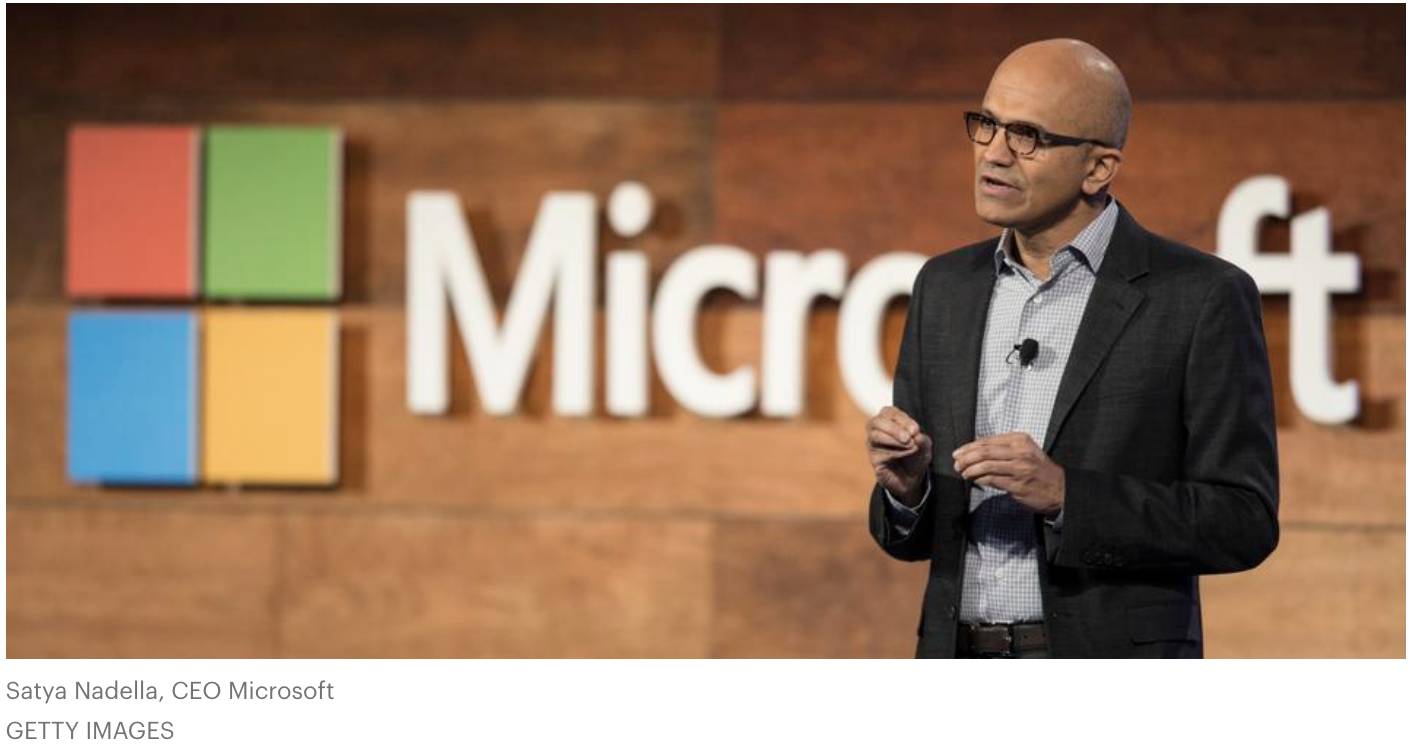
Satya Nadella at Microsoft did this with precision. After gaining trust, he co-created a new vision empowering every person and organization to achieve more, not alone, but hand-in-hand with employees. The result? Widespread buy-in and renewed vitality.
4. Make the Imperative Practically Useful
It’s not enough for a new imperative lay out cultural, strategic, and operational guidelines, you and your leadership team must put in place a milestone management process to hold tactical leaders accountable and over-invest in early wins to give teams confidence in themselves.
Alan Mullaly’s turnaround at Ford is textbook. Inheriting the motto “Built Ford Tough,” he transformed it into daily discipline through his weekly Business Plan Review meetings. Leaders color-coded targets green, yellow, red, tracking concrete milestones and obstacles. What began as rhetoric became executable detail, yielding the early wins that fueled Ford’s comeback without a bailout.
5. Strengthen the Team: Ensure the Right People Are in the Right Roles
Looking back on their careers, the #1 regret experienced leaders have is not moving fast enough on people. Success depends on having the right team.
Lou Gerstner faced this at IBM’s nadir. Realizing cultural inertia and misaligned leadership were the root issues, he rapidly replaced key executives and brought in new talent who aligned with his services-first, customer-centric vision. By decisively reshaping his team, Gerstner engineered one of the greatest corporate turnarounds, proving that changing people can change fate.
6. When Things Change: Respond Decisively
It’s not “if” but “when” context shifts uncomfortably. Resilience is proven in crisis.
Howard Schultz’s 2008 return to Starbucks came as the financial crisis undermined profits and brand relevance. He swiftly closed underperforming locations, retrained employees, and refocused on Starbucks’ “third place” mission. His rapid, transparent moves not only stabilized the business but reignited long-term growth and trust, showing that decisive action earns enduring loyalty.
7. Remember That Everything Communicates
The little things are never little. Leadership is performance art—every action or inaction broadcasts a message.
Apple’s Tim Cook’s quick moves to prioritize employee wellbeing and transparent updates during crises have made Apple’s values more credible and built lasting trust among staff. Conversely, leaders like Elon Musk show that a single impulsive tweet or off-script appearance can shape brand and market perceptions as much as any formal announcement.
Leaders who master these moments don’t just survive; they accelerate, inspire, and leave a mark well beyond their initial mandate. In the end, the true story of a leader’s success is less in the plan and more in how they navigated these fundamental moments of truth.