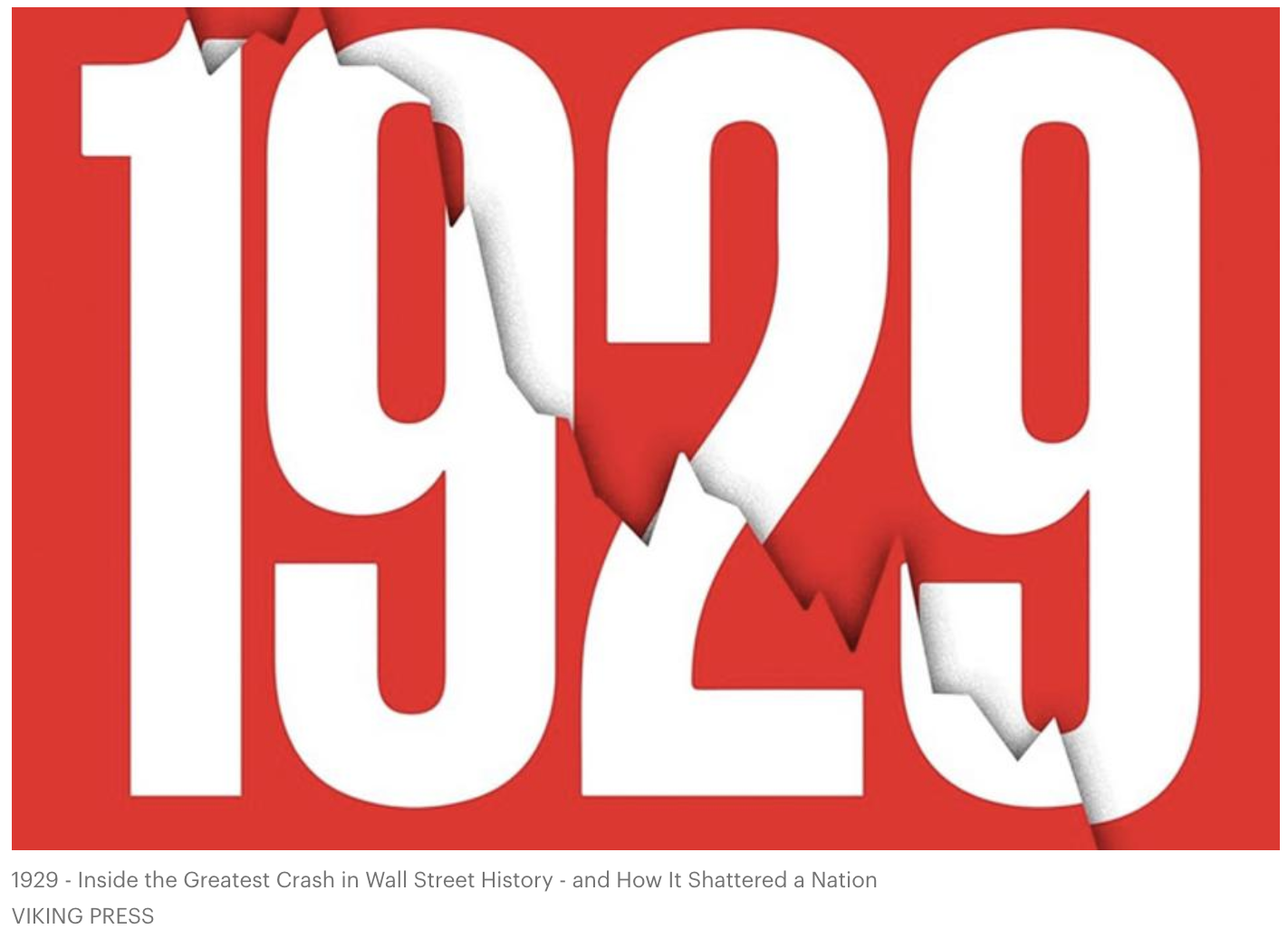
Andrew Ross Sorkin makes a compelling case that if we don’t learn from 1929, history will repeat itself again. In his new book, “1929 – Inside the Greatest Crash in History – and How It Shattered a Nation,” Sorkin explains that
- Boom and bust cycles repeat and are exacerbated when debt levels are high
- Tariffs choke off international trade and have other unintended consequences
- Leaders are often blinded by hubris, overconfidence, power
By definition, a crisis results from a major, temporary change. The trap is in managing the crisis itself instead of managing through the crisis. The fundamental approach is to prepare in advance, react to events, and bridge the gaps while keeping in mind that leading through a crisis is about inspiring, enabling, and empowering others to get things vaguely right quickly, and then adapt along the way – with clarity around direction, leadership and roles.
In terms of the impending encore of 1929, this means:
- Reducing as many different types of debt as you can as soon as you can
- Being on the lookout for signs of the crisis so you can react before it’s too late
- Managing through the crisis as a point of inflection by resetting your strategies, organization, and operations as appropriate
Prepare in advance – reduce different types of debt
Sorkin writes that “The almost singular through line behind every major financial crisis is one thing: debt. It’s a powerfully optimistic force.” He goes on to say that debt “draws the wealth of tomorrow into the present. Problems arise when we get greedy and take too much.”
He’s talking about financial debt. While you absolutely should worry about your financial debt, you should also get caught up on your:
- Deferred maintenance of assets, fixing things that are broken, upgrading things that need upgrading, and adding things to increase effectiveness and efficiency.
- Information Technology deficits and especially figuring out how to leverage artificial intelligence. As Seth Godin put it so well, each of us is either going to figure out how to make AI work for us or we’ll be working for AI.
- Deferred hiring and training leading to human capacity and capability deficits. You can only stretch your people so far. They will break if they go into a crisis already stretched beyond reason.
React to events before it’s too late
Sorkin admonishes us not ignore the warning signs, many of which are already there. He digs into the role power and psychology played in 1929, so we can mitigate those risks now.
It’s not enough to say the world is complicated, complex, and chaotic. As you’re assessing the conditions in which you operate, consider downside and black swan scenarios and build real contingency plans for how you will manage through them.
When those scenarios come true – which they will – implement those contingency plans acting to shore up physical safety, reputation, and finances – in that order. Understand that you won’t want to do the tough things or you’ll want to wait until you absolutely must do the tough things. One of the learning from 1929 is that “too late” gets here faster than you think it will.
Manage through the crisis as a point of inflection
“Every system is perfectly designed to produce the results it gets.” Deming. Intel’s Andy Grove defined a point of inflection as “An event that changes the way we think and act.” When that occurs – most likely a change in your environment (like an encore performance of 1929) or change in ambition – change your system to change your impact and effect, changing strategy, organization, and operations all together, in sync, all at the same time to avoid breaking the system as you accelerate results through a point of inflection.
Note this is different than an event that slows your progress but does not require you to change the way you think and act. If your strategy continues to be right, pause; regroup; then, keep going as you were, as you can.
As one of the characters depicted in 1929, Winston Churchill, is alleged to have said, “Never let a good crisis go to waste.” A good crisis is only good if you use it as a platform for change to convince people that all those changes they have known they need to make need to be made now for the organization to continue to thrive.