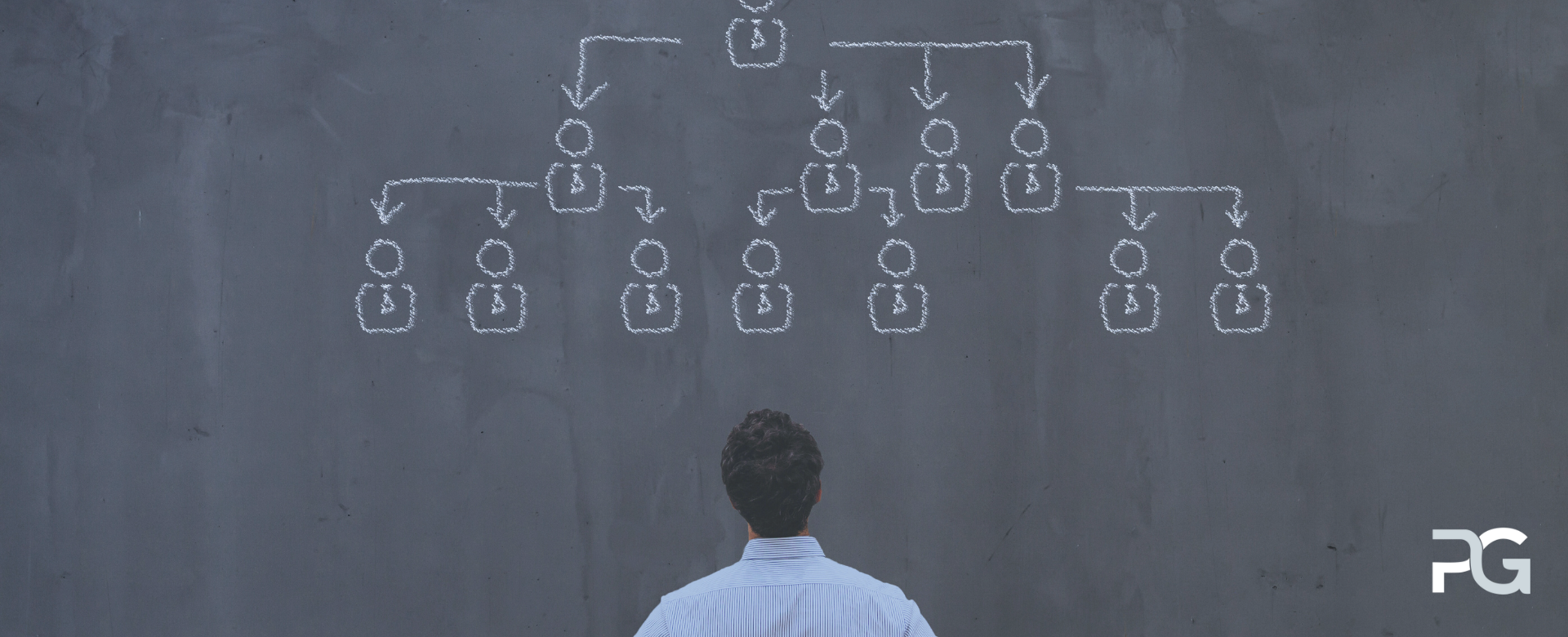
In our early moves we tended to knock down walls quickly. Over time, we learned the advantage of living in a house for a while before doing that. The same is true for executives moving into new roles. Early on they tend to knock down walls or reorganize quickly. Over time, they learn the advantage of converging into the organization before trying to evolve it.
Knocking down walls in houses
From most to less aggressive were the houses we bought and 1) completely leveled before ever going in, 2) took out the wall between the kitchen and dining room before moving in, 3) knocked a hole from the kitchen to a bedroom and turned the bedroom into a play room for our kids our first weekend in the house.
Then we got wiser and lived in a house for a few years before having someone else design and build an extension. There were a couple of good aspects to this including getting to know the house before we changed it, and having someone else do what they were expert at and we were not.
The point is not so much that we were right or wrong in what we did, but that different situations suggested different actions.
The land under the house we leveled was worth more without the house on it than with the house on it. That was easy.
The kitchen and dining room were each too small for our needs in the second house.
And our kids were so small we needed easy access to them in the third house.
We’ve lived in our current house for two decades. We had time to learn about it before changing it and made the changes for the long term.
Reorganizing organizations
“Every time we were beginning to form up into teams, we would be reorganized. I was to learn later in life that we tend to meet new situations by reorganizing… and a wonderful method it can be for creating the illusion of progress while producing confusion, inefficiency, and demoralization.”
- Gaius Petronius, A.D. 65, Roman governor and advisor (arbiter) to Nero per Frank Price in “Right Every Time” – Marcel Deckker publishing
Every organization needs a reorganization at some point. The questions to ask are when and how much.
The ACES framework is a good place to start.

The combination of a strong need to change and not being ready to change suggests new leaders need to shock the organization. This is when you consider leveling the house or making major changes early on.
When there’s less need to change right now and the organization is ready enough to change on its own, you can just assimilate in. Unfortunately, this is not what most new leaders find.
The other two boxes are the more likely cases. In these cases, converging first and then evolving later makes sense. Live in the house for a while before moving walls. See how things really work – especially behind the scenes. This way you’re more likely to understand the unintended consequences of reorganizing before you do it.
Structure follow strategy
When you are ready to reorganize, take the learning from Peter Drucker that structure should follow strategy.
- Get clear on where you’re going to play and how you’re going to win – your strategy.
- Figure out the organizational capabilities you’ll need to have to win.
- Structure in a way that best inspires, enables and empowers people to leverage their own and others’ capabilities together in support of the strategy.
Think in terms of Nested Leadership, so you’re structuring in a way that takes into account the important differences and interactions between nested leadership at cultural, strategic and tactical levels.
- Cultural leadership: Who you are and what you stand for
- Strategic leadership: Arranging resources before deployment
- Tactical leadership: Deploying and adjusting resources in real time
Make sure people get the balance of mandatories and flexibility right. Your cultural leaders can’t compromise. They need to insist that everyone reflect the culture in everything they say and do. Your strategic leaders must nest their broad directional choices within the culture while making sure everyone is clear on the intent and their degrees of freedom. And. your tactical leaders must ground themselves in the culture and strategy, and then have the confidence to make the tactical decisions required to adapt to changing circumstances with agility in real time.