[et_pb_section fb_built=”1″ admin_label=”section” _builder_version=”3.22″][et_pb_row admin_label=”row” _builder_version=”3.25″ background_size=”initial” background_position=”top_left” background_repeat=”repeat”][et_pb_column type=”4_4″ _builder_version=”3.25″ custom_padding=”|||” custom_padding__hover=”|||”][et_pb_text _builder_version=”3.27.4″ module_alignment=”left”]
Most mergers fail. While there are some winners and some losers in any merger, they are bad news for most middle managers. Given that, the middle managers at Deutsche Bank and Commerzbank that want to survive a coming merger should 1) Get a head start, 2) Manage their message, 3) Set direction and build their team, and 4) Sustain momentum and deliver results.
Most mergers fail.
As I’ve written before in this publication, quoting KPMG, 83% of mergers fail. Robert Sher suggests this is because of mismanagement of risk, price, strategy, cultures, or management capacity.
Winners and losers.
David Weidner makes the case that CEOs and shareholders may win. Everyone else loses.
- Winners: Acquiring CEO who gets a bigger job, acquired CEO and investors in acquired company who get big payouts.
- Losers: Investors in acquiring company who will overpay for their acquisition, consumers who will be in a less competitive industry, and workers who will play musical chairs with less jobs.
Surviving the first round of musical chairs
Every M&A investment case is built on top line and/or bottom line growth. Top line growth can come from new customers for existing products, new products for existing customers, or new capabilities to create new products for new customers. Bottom line growth comes from cost-saving synergies between the two organizations.
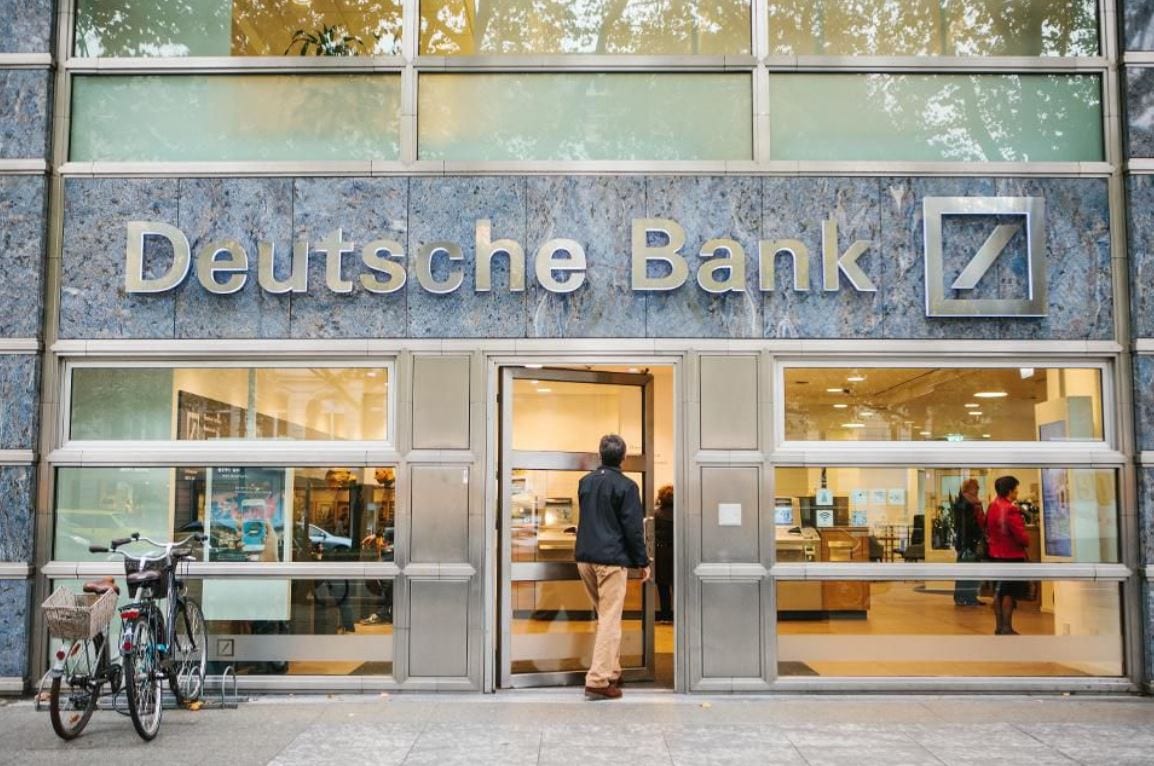
The Wall Street Journal suggests Deutshe Bank and Commerzbank are talking to “explore strategic options after suffering prolonged performance and share-price declines.” This screams cost-saving synergies. Expect them to pull a large number of chairs out of the game before the next round of musical chairs.
Middle-manager focus
Deloitte’s 2019 report on their survey of M&A trends noted the most important factor in achieving a successful M&A transaction is effective integration.
- Effective integration 23%
- Economic certainty 19%
- Accurately valuing a target 18%
- Stable regulatory and legislative environment 16%
- Proper target identification 14%
- Sound due diligence process 11%
The silver lining in this cloud of doom is that that is actually the one area middle-managers can most influence. The middle-managers with the greatest chance of surviving will do four broad things:
I. Get a head start
- Create own personal 100-day action plan explicitly including best current thinking on strategy/value drivers for their area of responsibility and an initial role sort for their new, combined team.
- Get key leaders aligned around that plan.
- Tell keepers their jobs are safe.
- Conduct discovery learning sessions to understand all the new players.
- Conduct a pre-merger close leadership team meeting with the new combined team to i) co-create the new team’s imperative, ii) agree the core elements of the new culture and a plan to get there, and iii) map out communication plans for the day of the merger and beyond.
II. Manage the message
- This is where getting a head start pays off. The leader and their team are ready to manage day one communications. Everyone in the new, combined organization has the same question, “What does this mean for me?” The sooner leadership can tell people what their new jobs are, who their bosses are and what they are supposed to do, the faster they can get back to work.
III. Set direction and build the team
- This is about turning the pre-start imperative into value-driving plans with scorecards and management cadences to track progress and make appropriate adjustments.
- Continue cross-organizational learning
IV. Sustain momentum and deliver results
- Pick a moment. Take a stop. Reassess and then jump-shift your strategy, organization and operating cadence as appropriate. It’s less important to get these right the first time than to get going and adjust your best current thinking on a regular basis.
We ran this program with one middle-manager at a company being acquired. He went to the merger integrators with his plan well in advance of the merger. Even though his was the smaller of the two groups being merged. They put him in charge of the new, combined group because he was the only one with structured, disciplined plan and the leverage and confidence to deliver it.
[/et_pb_text][/et_pb_column][/et_pb_row][/et_pb_section]