[et_pb_section fb_built=”1″ admin_label=”section” _builder_version=”3.22″][et_pb_row admin_label=”row” _builder_version=”3.25″ background_size=”initial” background_position=”top_left” background_repeat=”repeat”][et_pb_column type=”4_4″ _builder_version=”3.25″ custom_padding=”|||” custom_padding__hover=”|||”][et_pb_text _builder_version=”3.27.4″ module_alignment=”left”]
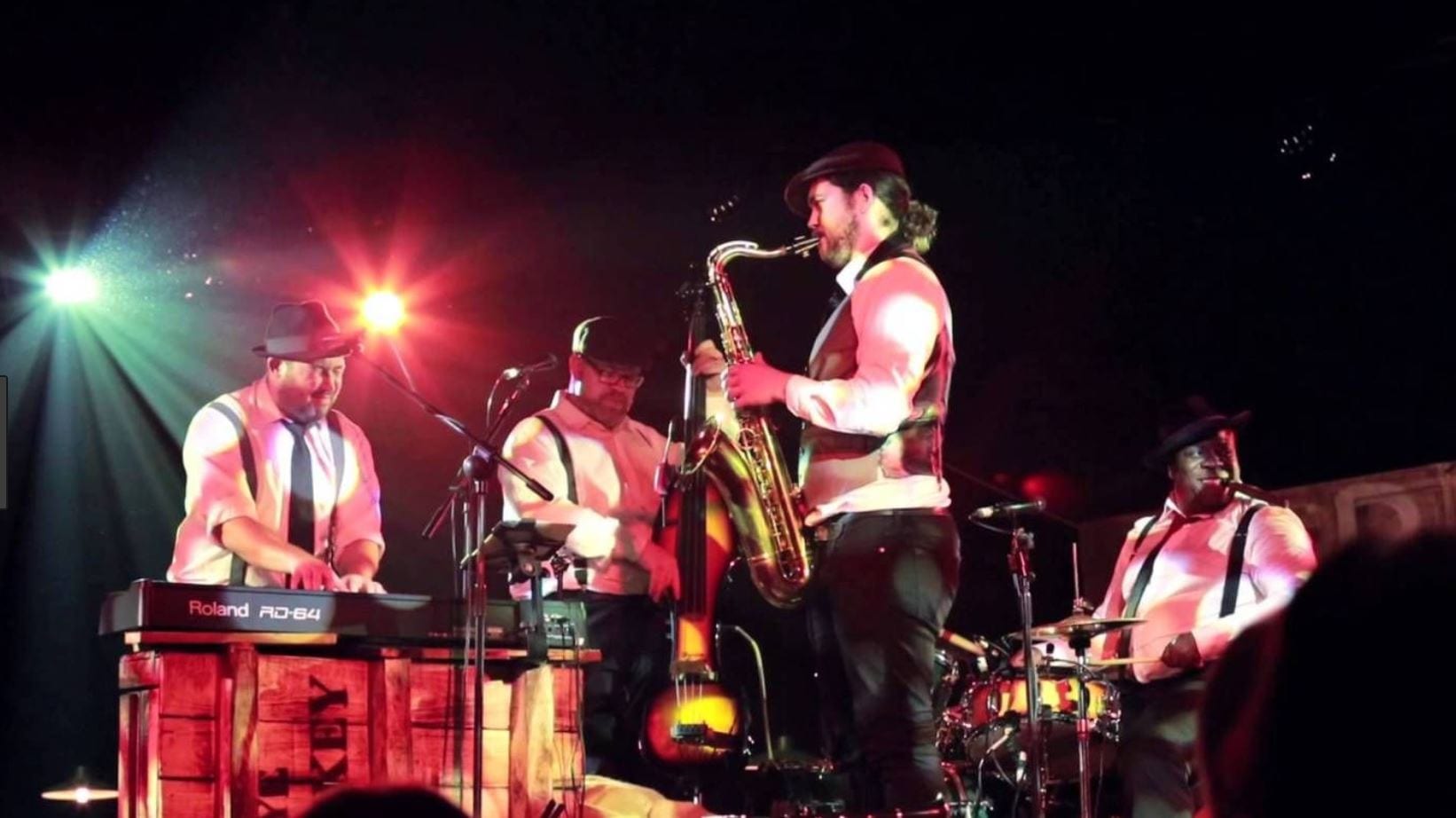
The best meeting and workshop facilitators think of themselves as orchestra conductors. Even though they are in front of the room, they know that all the music comes from the participants and none from them as conductors. There are two primary approaches. Act like you’re conducting a classical piece of music for meetings where discipline and alignment are most important. Act like you’re conducting a jazz ensemble when creativity and innovation matter more.
In both cases, actually in all cases, think through your prelude, delivery and follow through. The difference is how you approach delivery.
Prelude
One person responsible. There should one person responsible for running the meeting. This person is the project manager, focused on process. This is generally not the most senior person in the meeting so that senior person can focus on people and content. In some cases, that person is also the facilitator, but not always.
Single overall objective. The overall objective probably starts with a verb like learn, contribute or decide. Be clear on why you’re having the meeting (purpose) and what should be delivered (outcomes).
Agenda (process) Set the agenda with clear expectations for learning, contributions and decisions by item with time allocated to match what’s needed. Note these are steps on the way to achieving the overall objective of the meeting. Some reframe objective and agenda as POP: Purpose, Outcomes, Process. That works. In either case, part of the process is agreeing where the meeting should fall on the regimented – free-flow scale.
Attendees include those needed and no one else – ideally seven +/- two. Less than five and you sacrifice diversity of perspective. More than nine and people have to fight for airtime. A little more on diversity of perspective. If everyone agrees on everything, there’s no need for a meeting. Just send a confirming note. Meet only when there’s an opportunity to strengthen best current thinking by adding new and different perspectives.
Preparation. Distribute appropriate pre-work, analysis and pre-reading to people far enough in advance for all to learn and contribute to their fullest potential. Pre-work and pre-reading give introverts a chance to mull things over in advance and be ready to contribute. Extraverts won’t do that, but will engage once they get to debate and play with ideas in real time.
Delivery/Moment of Impact
Orchestrate meeting participation and timing to optimize learning, contributions, and action-oriented decisions, ending when the overall objective is achieved. This means it’s generally best to deal with the most important issues first instead of checking off the easy ones. It should be clear to everyone walking out of any meeting who is doing what when, what their own actions should be and how they play a part in reaching the overall objective.
More regimented meetings fall more towards the tell or sell side of Bryan Smith’s Tell-sell-test-consult-co-create continuum. They are more about clarifying alignment, updating progress around decisions already made and moving known things forward. For these, the facilitator can act more like they are conducting classical music, making sure the various players hit their assigned notes in the right way in the right order without a lot of room for improvisation.
More free-flowing meetings fall more towards the consult or co-create of Smith’s continuum. They are about building on ideas or creating new ideas or approaches. By definition, the outcomes are less clear and the pathways to those outcomes need to be more flexible. Facilitators of meetings or workshops like these need to act like they are conducting jazz ensembles, giving various players latitude to take the themes in different directions, putting their own twists on things.
While facilitators should keep a tight rein or provoke and let people play as appropriate, they must pull the various themes, notes, riffs and the like back together to achieve the objective.
Follow-through
Get meeting notes out promptly to memorialize decisions and actions, kicking off implementation of decisions and actions and preparation for the next meeting.
[/et_pb_text][/et_pb_column][/et_pb_row][/et_pb_section]