Members of unified team put aside differences to work together as one. They are reliable and predictable. In contrast to that, harmonized teams value differences. Their working relationships are messy and unpredictable. That messiness makes them more likely to be open to changes in their environment and be better able to adapt. This is why you should assemble people with diverse strengths, prompt different points of view and reward harmonic thinking over unity.
A quick search for “Team Unity” yields:
-
- “Two Main Ingredients that Create Team Unity”
- “How to Create the Kind of Team Unity That Drives Results”
- “The Importance of Team Unity in Employee Retention”
The trouble with all these articles is their fundamental premise that team unity is to be desired. It’s not. It is to be avoided.
Think about these:
Barbershop quartets are far more interesting when they are harmonizing than when they all sing the same note.
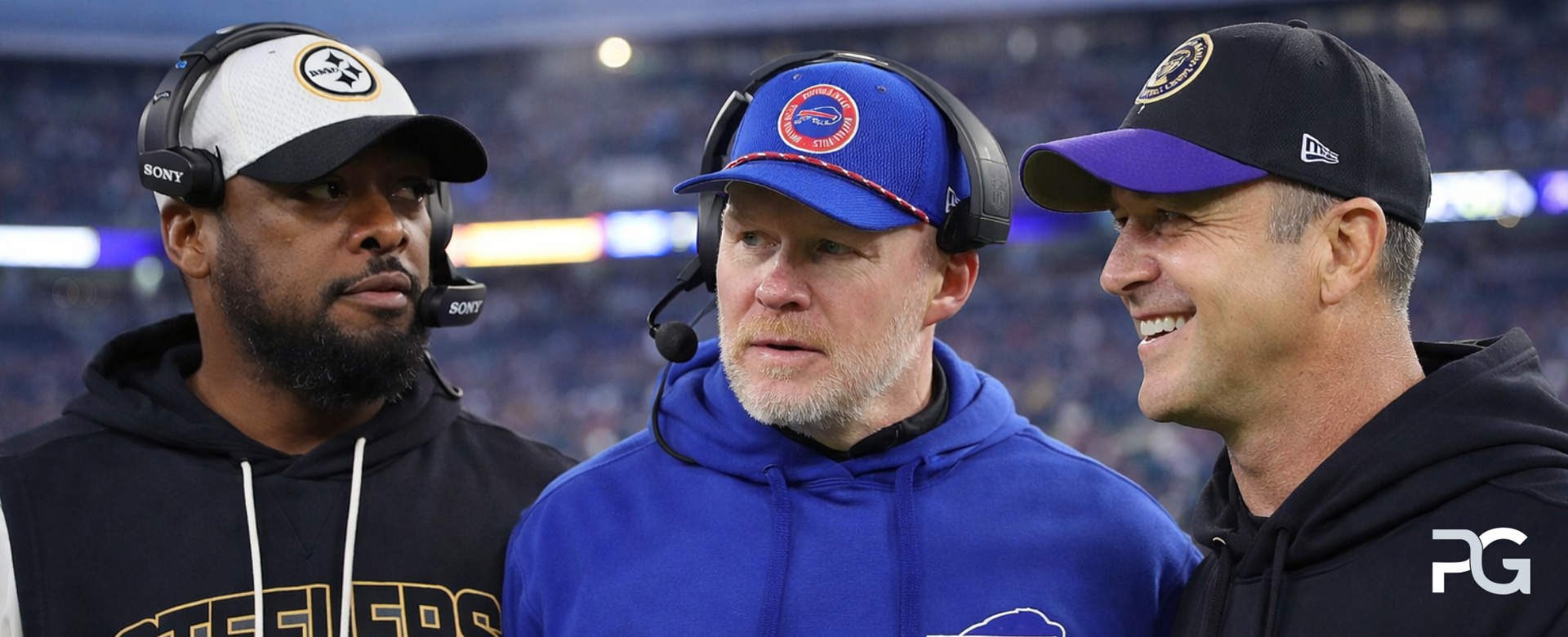
An American football team of 11 identical running backs would get dramatically outscored by a team that could block, throw and catch as well as run.
A business made of all salespeople would not fare as well as one that had the ability to build, deliver and service what its salespeople sold.
I could on, but I think I’ve made the point. Unity is bad. Harmony is good. Jefferson was wrong. All men are not created equal. Each man and each woman is unique and special.
It’s not hard to argue that this is the most important attribute of a high performing team. The difference between a collaborative group and team is interdependence. Individual members of high performing teams know that they can achieve more together than any of them can on their own. This is because they have differential strengths and have figured out how to work in harmony to take advantage of those differences.
Implications
Assemble people with diverse strengths
This starts with recruiting briefs. There are only three questions in any interview, getting at strengths, motivation and fit. Your recruiting briefs should set up those interviews, clarifying the differentiated strengths you need for any particular role, the dimensions of motivation that are important and what you mean by fit. Fit is not congruence. You’re assembling a team of puzzle pieces. The pieces need to fit together, but they should not be identical.
Then use the recruiting briefs to guide your interviews. Make sure you are evaluating candidates based on their ability to add to the team, not mirror the team.
Finally make sure your onboarding accommodates your new hires’ needs, assimilates them into the team and then accelerates their progress. The best new hires will converge into the team and then help it evolve. If all they do is assimilate, they don’t really add value.
Prompt different points of view
Embrace Michael Brown’s concept of antecedents, behaviors and consequences. Don’t expect anyone to change unless you prompt the change and then reward it. If you want people to bring their unique perspectives to bear and challenge the prevailing thinking, invite them to do so – explicitly. Following the crowd and following your lead is always the safe bet. But that’s not what you want. You desperately need people to go against the grain. Invite them to do so.
Reward harmonic thinking.
Get the balance of consequences right. This is the second and critically important part of “Please and Thank You Leadership”. Prompting different points of view and then punishing those that dare to be different is worse than not prompting them at all. Make sure you are recognizing and rewarding those behaviors. Because it’s risky, the absence of a negative consequence is not enough. Over-invest in positive reinforcement.
If you’re like most, this requires a fundamental mind shift. Stop worrying about diversity by sex or race. Instead, invest your time and energy to assemble, prompt and reward diversity of perspectives and thinking.