By finding and leveraging higher-level things you agree on you can turn different perspectives from disablers to enablers right before everyone’s eyes. The key is to put principles before problems.

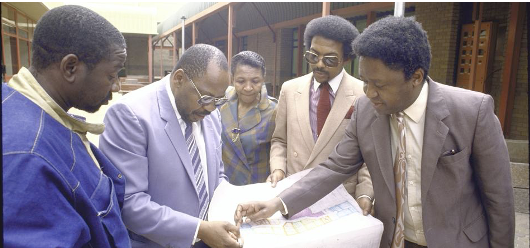
Trade Unions – Getty Image
In the 1970s, there was a man in England who was one of the few who could get British management and trade unions to agree on anything. He explained his secret to me: “I start by finding things they agree on. There’s always something they agree on, something they have in common, even if we have to go all the way back to agreeing that everyone at the table had a mother.”
Of course, the further back you go to find things you agree on, the more challenging the conversations. Ideally, you can find higher-level common ground within a couple of steps from the problem you’re trying to solve.
It’s often difficult to resolve differences of opinions head on. If you think X and I think Y, for one of us to be right, the other must be wrong. That can be unpleasant – especially if one of the parties is going to have to give up resources or influence or is speaking for a larger group.
When you reach an impasse, kick it up a level to resolve the differences. Some people hand it over to a common boss. Others to a mediator. Sometimes, court is the best option. All these options decide who is right and who is wrong, overcoming the current impasse, but ultimately damaging the relationship.
Instead, look to common principles or criteria.
Ideally, you would agree on the common principles for decision making before you debate the differences. If not, when you reach a point of disagreement, shift the conversation up a level to yourselves.
“I think we should promote Jack.”
“I think we should promote Jill.”
“So we can have a debate. First, let’s agree on the criteria for promotion …”
Having agreed on the principles or criteria, use them to help guide your decisions together.
“Let’s look at how Jack and Jill and others each fit our criteria…”
There are multiple advantages to this:
- Leveraging different perspectives to increase each other’s knowledge instead of tearing each other down;
- Taking advantage of the situation to reconfirm or establish principles and criteria;
- Explaining the rationale for your choices to others;
- Helping others make similar decisions down the road;
- Strengthening instead of damaging relationships.
Bottom line is that two heads are better than one – when they are working together. Get to points of agreement on principles and criteria so you’re looking at points of disagreement with the same ends in mind.