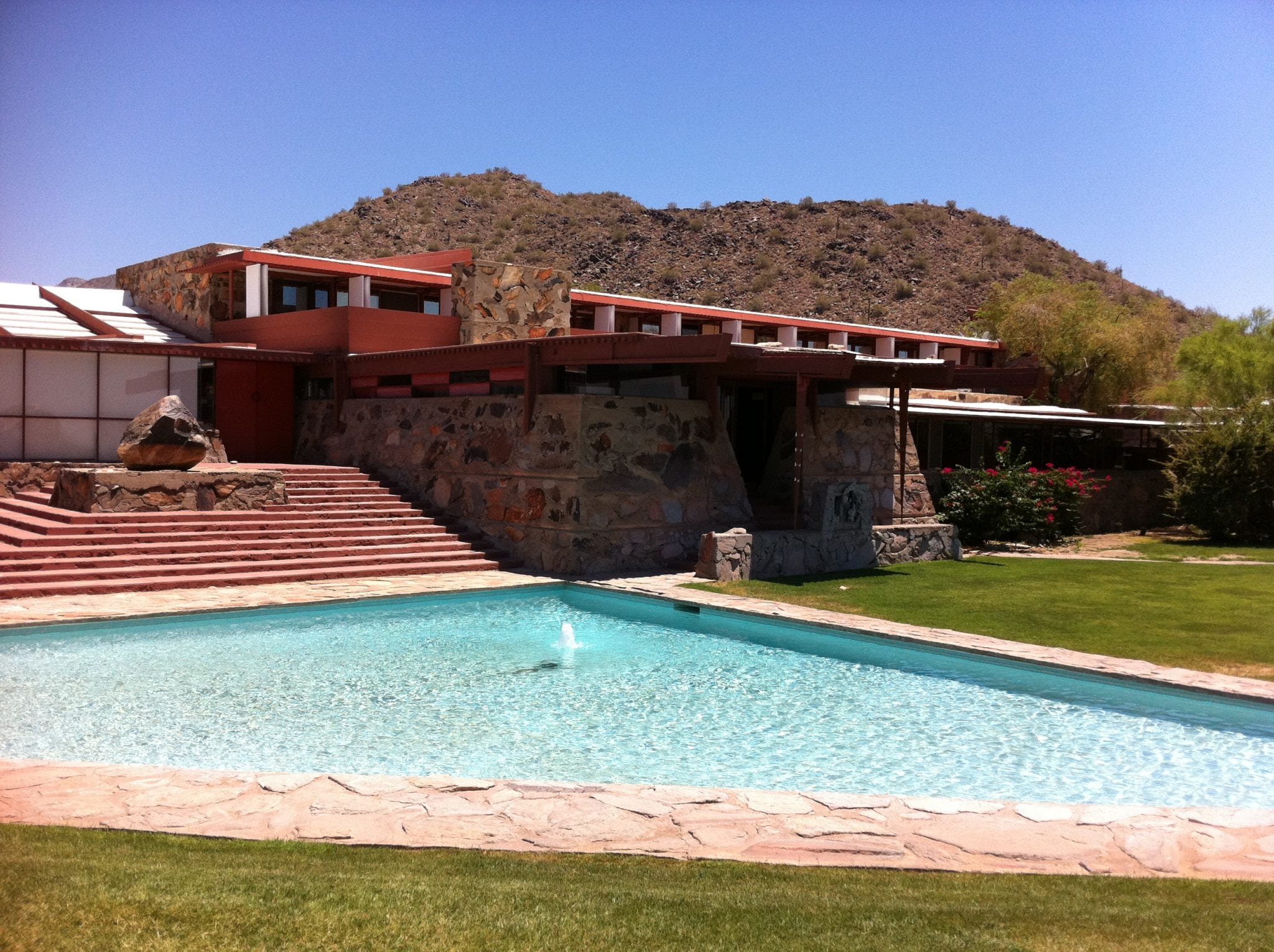
Architect Frank Lloyd Wright practiced organic design. He studied the terrain, designed structures that would be “of the land” instead of “on the land”, then built them. Many of his ideas can be applied to onboarding into an organization. Doing so leads to organic onboarding which is generally less disruptive and more effective than just jumping in and getting on with the job.
We suggest three phases of organic onboarding: Appreciate the context and culture, Plan to leverage existing strengths in new ways, Transform the organization over time.
Appreciate Context and Culture
Just as organic design begins with studying the terrain, organic onboarding begins with studying the context and culture.
- What is the business environment in which the organization is operating?
- What is the organization’s history – how did it get to where it is now and what’s important going forward?
- What have been the organization’s recent results?
- What are the organization’s current Behaviors, Relationships, Attitudes, Values, and Environment?
Answers to these questions lead to an appreciation for what can or should stay the same and what needs to change and how open the organization is to changes.
(Follow this link for more on appreciating context and culture)
Plan to Leverage Existing Strengths
Just as Wright drove his projects "inside out" at the convergence of form and function, organic onboarding pivots off insights into how to leverage seen and unseen strengths in new ways. This involves action-driving choices at the strategic, operational and organizational levels.
(Follow this link for more on planning for your first/next 100-days)
Transform the Organization Over Time
Just as Wright continually evolved his ideas and structures, organic onboarding is not a one-time thing, but rather an ongoing transformational evolution involving getting a head start, managing the message, building the team, and then doing it all again.
(Follow this link for more on converging and evolving.)
 Analogies from Taliesin West
Much of this thinking was prompted by a visit to Frank Lloyd Wright’s Taliesin West in Scottsdale, AZ and some of the things in evidence there.
Shining Brow
“Taliesin” is Welsh for “Shining Brow”. Wright built his structures on the brow of the hill, just below the crown so they did not destroy the hill itself.
Similarly, the most successful new leaders plant their flags on the brow of the organization, just below the crown so they don’t destroy the organization itself. They know that leadership is not about them, but, rather, about inspiring and enabling others in the ongoing pursuit of a meaningful and rewarding shared purpose.
Materials from the Site
Not only did Wright use visible local materials in constructing his Taliesins, he used previously unseen resources. In Arizona, he figured out that millions of years of rain in the valley must have gone somewhere, dug a deep well, and discovered an underground aquifer that supplied all their water needs. He also harnessed the air rising from the valley, routed it over a pool of water and through his building to cool the inside.
Similarly, successful new leaders, have a bias to tap into both the readily apparent and not so apparent talent already existing in the organization to strengthen it from within.
Change the context to change behaviors
Taliesin West has several spots in which the space compresses and releases. Wright uses smaller than normal doorways and entry halls to coax people into moving through them into the taller open working spaces. The dining room ceilings are low and the outside walls are made of glass because people should sit and enjoy the view. When the authorities put up power lines in the valley, Wright re-oriented his buildings to look up hill at the natural terrain.
Similarly, successful new leaders put more energy into managing the antecedents and consequences of behaviors than in worrying about the behaviors per se, knowing that changing the context will change the behaviors.
Organic Onboarding – a phase of Organic Leadership
Organic Onboarding is an approach a new leader can take to appreciating, planning, and transforming the organization. Since the next 100-days are sure to be different than the last 100-days for all leaders, we’re all new leaders all the time. As such, we should be appreciating our organizations and their context, planning for the future, and transforming our organizations on a continual basis. Thus organic onboarding is just another phrase for organic leadership.